If you own or manage a multifamily property, you’ve probably asked yourself the same question a lot of owners do: how do I get residents to pay their fair share of water, gas, or electricity without drowning in complaints or paperwork? Utilities are often the third-largest expense on a property’s books, right behind mortgage and payroll, so how you bill for them matters.
Two methods dominate the industry: RUBS (Ratio Utility Billing System) and submetering. They sound similar, and they solve the same basic problem, but they work in very different ways. Here’s what you need to know to figure out which one fits your property.
What Is RUBS?
RUBS is a formula-based way to divide up a property’s total utility bill among residents. Instead of measuring what each unit actually uses, RUBS allocates costs based on factors like square footage, number of occupants, or number of bedrooms. The property pays one master utility bill, then splits it proportionally across all the units.
It’s simple, fast to set up, and doesn’t require any new equipment.
What Is Submetering?
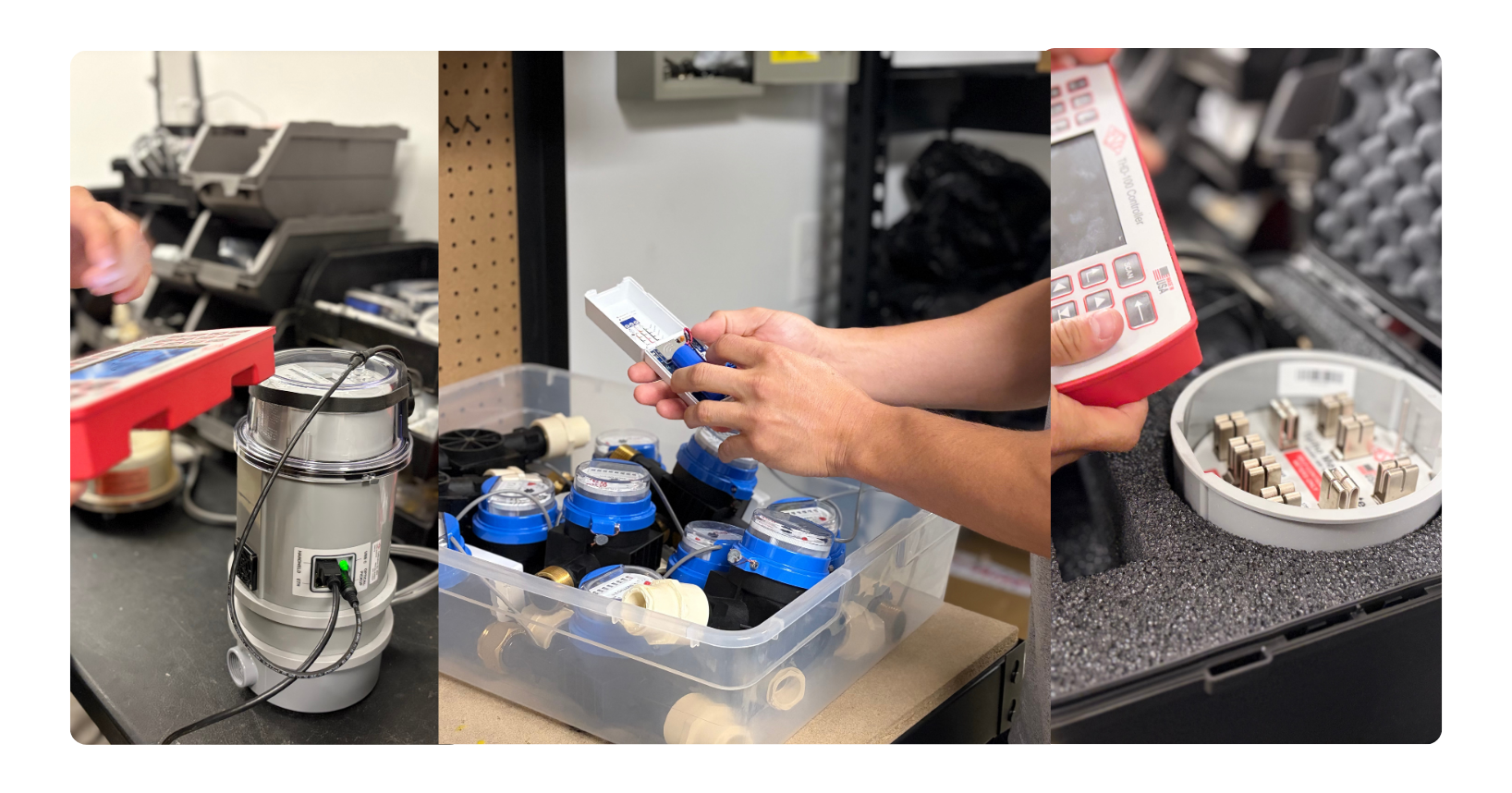
Submetering takes the opposite approach: it measures actual usage. Each unit gets its own meter, so residents are billed for exactly the water, gas, or electricity they consume.
Because it reflects real consumption, submetering tends to feel fairer to residents and naturally encourages conservation. A resident who takes shorter showers or unplugs unused appliances sees that reflected in their bill.
Comparing the Two
Here’s how they stack up on the factors owners care about most:
Accuracy. Submetering wins here. It bills residents for what they actually use. RUBS is an estimate, and it can feel unfair to a couple in a one-bedroom unit paying the same ratio as three roommates next door.
Upfront cost. RUBS is cheaper to start. There’s no equipment to install, just a billing formula to apply to your existing utility bill. Submetering requires installing meters throughout the property, which is an investment.
Long-term value. Submetering tends to pay for itself over time. Because residents are billed for actual usage, overall consumption typically drops, which lowers the property’s total utility spend and can extend equipment life. RUBS doesn’t reduce consumption the same way, since usage isn’t directly tied to what any one resident pays.
Resident satisfaction. Submetering generally produces fewer disputes because the numbers are tied to a resident’s own meter reading, not a shared formula. RUBS can invite pushback, particularly from residents who feel their unit uses less than the ratio assumes.
When RUBS Makes Sense
RUBS tends to be a good fit for properties where installing meters isn’t practical or cost-effective right now, such as older buildings with shared plumbing lines, or owners who need a quick, low-cost way to start recovering utility costs while they plan for a longer-term solution.
When Submetering Makes Sense
Submetering is usually the better long-term choice for owners who want the most accurate, defensible billing method, who are focused on reducing overall utility consumption, or who are dealing with frequent resident disputes over shared billing.
Making the Call
There’s no universal right answer. The best method depends on your property’s age and layout, your budget for upfront investment, your local regulations, and how much you value long-term accuracy and conservation over short-term simplicity. Many owners actually start with RUBS and transition to submetering down the road as buildings are renovated or capital becomes available.
If you’re weighing the two for your property, we’re happy to walk through the specifics with you, from what installation would look like to what kind of savings you could expect. Reach out to schedule a consultation, and we’ll help you find the approach that fits.